There is a particular evening in late September when the first fire of the season feels like a good idea. You gather the kindling, strike a match, and wait for the room to fill with that familiar warmth. Then the smoke comes back down the chimney instead of going up it, or the draught is so weak the flames sulk rather than burn. Autumn is the right time to sort that out — early enough to book a sweep, dry your logs, and fix the small things before you actually need the fire.
What follows is a seasonal checklist for UK homes, whether you burn wood, smokeless fuel or gas. Work through it over a few weekends rather than all at once, and you will head into winter with a hearth that behaves.
Early Autumn: Book the Chimney Sweep First
Chimney sweeps are busiest from October onwards, so the single most useful thing you can do in September is make the call. Soot, tar and creosote build up in the flue over a burning season, and a blocked or heavily coated flue is one of the main reasons fires smoke into a room.
How often you need a sweep depends on what you burn and how often. As a general guide:
- Wood and smokeless fuel: once a year while the fire is in regular use.
- Bituminous coal or frequent open fires: twice a year is sensible.
- Gas appliances: swept and serviced annually by a competent Gas Safe registered engineer.
- Oil appliances: serviced annually by a qualified technician.
- Occasional use only: still have it checked yearly — birds nest in chimneys far more often than people expect.
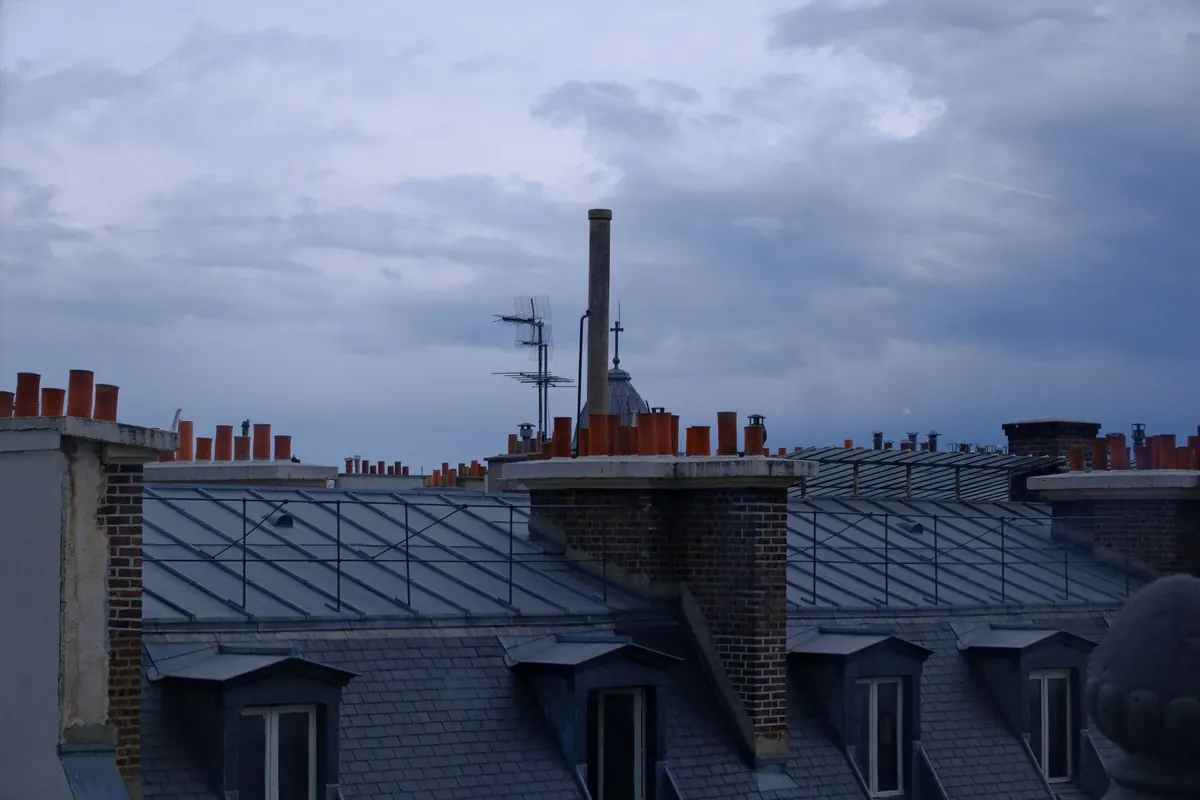
Ask the sweep for a certificate or notice of sweeping and keep it. It is useful for insurance, and for any future sale of the property. While they are there, ask them to look at the chimney pot, cowl, flashing and any visible brickwork. A cracked pot or a missing cowl is a cheap fix now and an expensive problem in January.
Check the Flue and Draught
Once the chimney has been swept, test the draught before you light anything. Crumple a sheet of newspaper, light it, and hold it safely inside the opening near the throat of the flue. The smoke should be drawn smartly upwards. If it hovers, drifts into the room or blows back, stop and investigate.
Common causes include a cold flue that needs warming, a blocked air brick, an extractor fan in the kitchen or bathroom pulling air out of the room, or a house that is too airtight for the fire to draw properly. Purpose-made ventilation is available for solid fuel appliances, but if you are unsure, ask a registered installer (HETAS for solid fuel) to advise. Getting the ventilation wrong can affect how the appliance burns.
Mid Autumn: Clean the Hearth and Fireplace
A clean hearth is not just about looks. Ash, dust and stray embers around the opening are a fire risk, and grease or soot on a surround dulls the stone or tile quickly.
- Let the fire go out completely and wait at least twelve hours — ash can hold heat for a long time.
- Remove ash into a metal container, never a plastic bag or bin. Take it outside.
- Brush down the fireback, grate and surround with a stiff brush, working from the top downwards.
- Wash stone, slate or tile surrounds with warm water and a pH-neutral cleaner. Avoid acidic cleaners on limestone and marble.
- Polish cast iron with a light application of a suitable black lead or stove polish, following the product instructions.
- Check the grate, fire bricks and any rope seals for cracks. Worn fire bricks should be replaced before the season begins.
If you have a woodburning stove, this is also the moment to check the door seal by closing it on a strip of paper. If the paper slides out easily, the rope gasket probably needs replacing. A poor seal lets air in where it should not, making the stove hard to control and less efficient.
Late Autumn: Fire Guards, Screens and Sparks
An open fire throws sparks. If there are children, pets, or simply a rug within a metre or so of the opening, a fire guard is not optional. Choose one that meets the relevant British Standard for fireguards and fits the opening snugly, with no gaps at the sides that a small hand could reach through.
For woodburners, a spark screen or a fixed hearth rail keeps logs from rolling forward. Check that your hearth extends far enough in front of the appliance — building regulations set minimum distances, and if you are unsure whether yours complies, a registered installer can confirm it. Keep anything combustible, including kindling baskets, log stores and drying laundry, well clear of the fire.
A Word About Storing Fuel
Wet wood is the enemy of a clean flue. Buy or process logs in spring and summer, stack them somewhere air can move around them, and cover only the top. Burning unseasoned wood wastes heat on driving off moisture and coats the flue with tar. Look for the Ready to Burn logo on logs and smokeless fuel, and never burn treated or painted timber, which releases harmful compounds.
Before You Light Up: Alarms and Safety Checks
Carbon monoxide is colourless and odourless, and any fuel-burning appliance can produce it if something goes wrong. Fit an audible carbon monoxide alarm in the same room as the fire, and consider one near sleeping areas too. Test it monthly, and replace the unit at the end of its stated life rather than relying on the test button alone.
Check your smoke alarms at the same time — one on each floor, tested weekly. If you have a chimney or flue that has not been used since last winter, have it swept and inspected before the first burn, not after. And if anyone in the household experiences headaches, dizziness or nausea that ease when they leave the room, get fresh air, switch the appliance off and seek medical advice promptly.
Your Seasonal Maintenance Rhythm
Think of fireplace care as four small jobs rather than one big one. In spring, clean out the ash, check for damage and arrange any repairs. In summer, sort your fuel supply and let the chimney dry out. In early autumn, book the sweep, test the draught and clean the hearth. In late autumn, fit or replace guards, test alarms and run a short trial fire on a still evening before you need the fire properly.
Keep a note of what was done and when. A simple page in a household folder, with the sweep's certificate stapled to it, saves guesswork next year. And when a job involves gas, flue alterations, ventilation or anything you cannot see clearly, use a qualified professional. For gas work in the UK that means a Gas Safe registered engineer; for solid fuel, look for HETAS registration. A little preparation in autumn is what turns a fireplace from a source of worry into the best seat in the house.
Photo: Lewis Bedar / Pexels